

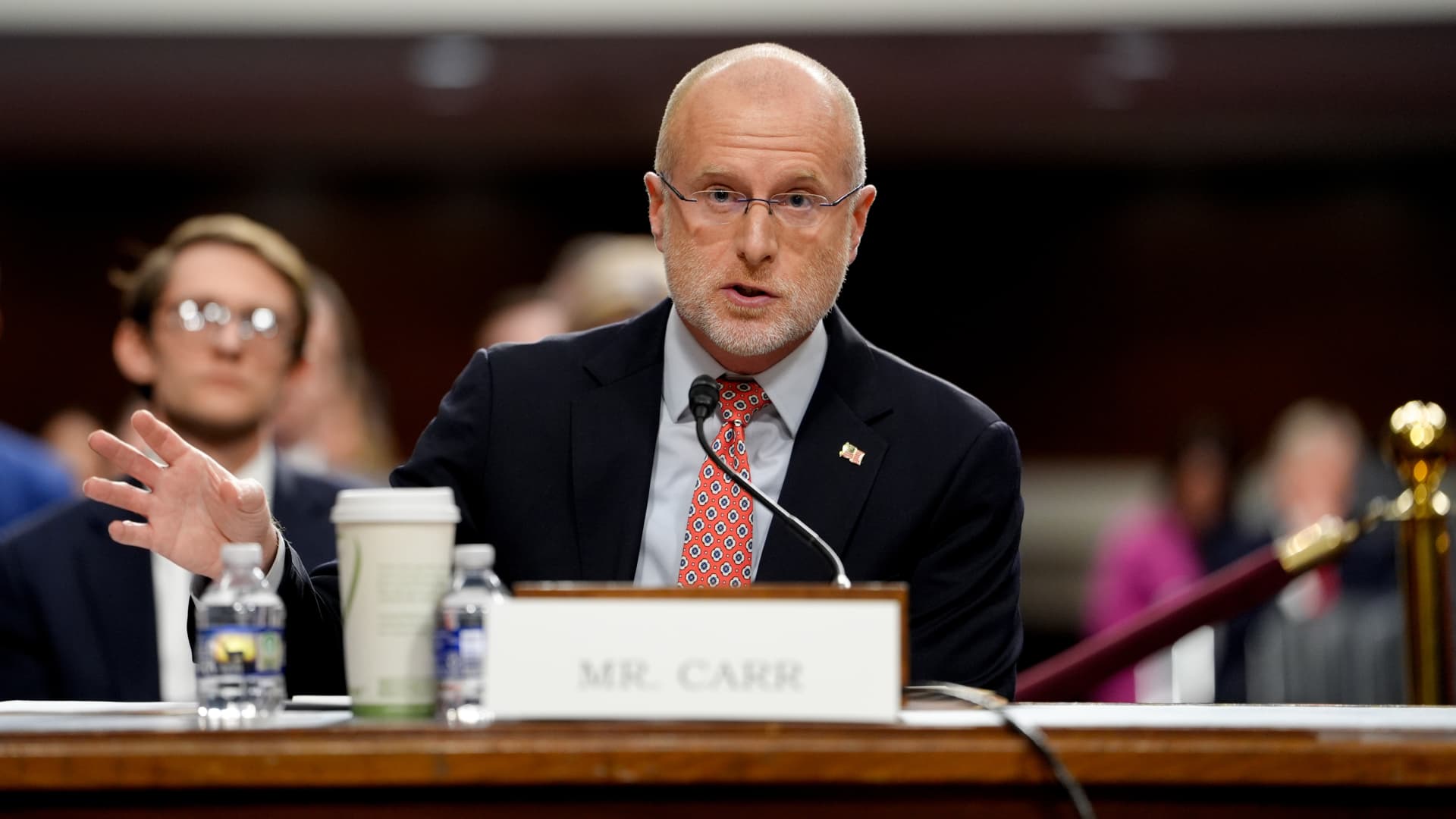
The Federal Communications Commission is seeking an early review of Disney’s broadcast station licenses following concerns around the company’s diversity, equity and inclusion efforts, according to a letter from FCC Chairman Brendan Carr Tuesday.
The letter orders the company to file for early renewal for ABC-owned television stations and notes the action is related to an investigation into Disney’s DEI efforts, which began last year.
ABC-owned station licenses were originally up for renewal between 2028 and 2031.
Disney confirmed on Tuesday that it received the FCC’s order initiating an accelerated review of its licenses. The FCC said in the letter that Disney now has 30 days — or until May 28 — to file for the renewals.
“ABC and its stations have a long record of operating in full compliance with FCC rules and serving their local communities with trusted news, emergency information, and public‑interest programming,” Disney said in a statement. “We are confident that record demonstrates our continued qualifications as licensees under the Communications Act and the First Amendment and are prepared to show that through the appropriate legal channels. Our focus remains, as always, on serving viewers in the local communities where our stations operate.”
The FCC’s move to require early renewals from Disney comes as ABC faces renewed backlash from the President this week following comments made by comedian Jimmy Kimmel in an opening monologue for his late night TV show that airs on ABC’s network.
Trump revived his push for ABC to take Kimmel off the air after the host of “Jimmy Kimmel Live!” referred to First Lady Melania Trump as an “expectant widow” during the show last week, days ahead of an alleged assassination attempt at the White House Correspondents’ Dinner.
The FCC, the federal entity that regulates the media and telecommunications industry, began investigating Disney’s stations for possible violations of the Communications Act of 1934 and the FCC’s rules regarding its prohibition on unlawful discrimination.
Since beginning its investigation last March, the FCC said that “Disney’s ABC has purported to respond” to two inquiries. Still, the agency said that it has determined further action was “appropriate.”
The order lists eight stations subject to the early renewal — three in California, as well as others in Illinois, New York, Texas, North Carolina and Pennsylvania — all of which are owned and operated by Disney. The call for early renewal does not affect Disney’s affiliates, which are operated by broadcast station owners like Nexstar Media Group.
Disney is not the only media company subject to an investigation surrounding its DEI efforts.
Under Carr, who was appointed by President Donald Trump, the FCC also began investigations last year into Comcast, the owner of NBCUniversal, as well as Paramount, prior to its merger with Skydance.
Following reports earlier Tuesday of the FCC’s intention to review ABC’s licenses early, FCC Commissioner Anna Gomez called the move “unprecedented, unlawful, and going nowhere,” in a post on X, adding that “this political stunt won’t stick. Companies should challenge it head-on. The First Amendment is on their side.”
First Amendment experts began to weigh in on the FCC’s latest move on Tuesday, raising similar points as to when “Jimmy Kimmel Live!” was temporarily suspended in September following comments the host made after the killing of conservative activist Charlie Kirk.
At the time, Carr had suggested broadcast station licenses could be revoked in response.
“The FCC has no authority to cancel broadcasters’ licenses because of their perceived political views. But this isn’t just about the rights of Disney and ABC,” said Jameel Jaffer, executive director at the Knight First Amendment Institute at Columbia University in an emailed statement.
“President Trump is trying to consolidate control over what Americans see and hear on the radio, television, and social media. If he gets his way, we’ll have only government-aligned media organizations that broadcast only government-approved news and commentary. It would be difficult to imagine an outcome more corrosive to democracy or more offensive to the First Amendment,” Jaffer said.