


The AI rally continued this earnings season. But companies building the underlying hardware powering the boom warned that the Iran war is putting pressure on their supply chains and profitability.
A spiraling conflict in the Middle East has seen oil prices skyrocket and supply chains crucial to the tech sector hamstrung. Shortages of key chipmaking materials, including helium, are expected as the U.S. and Iran remain locked in a standoff.
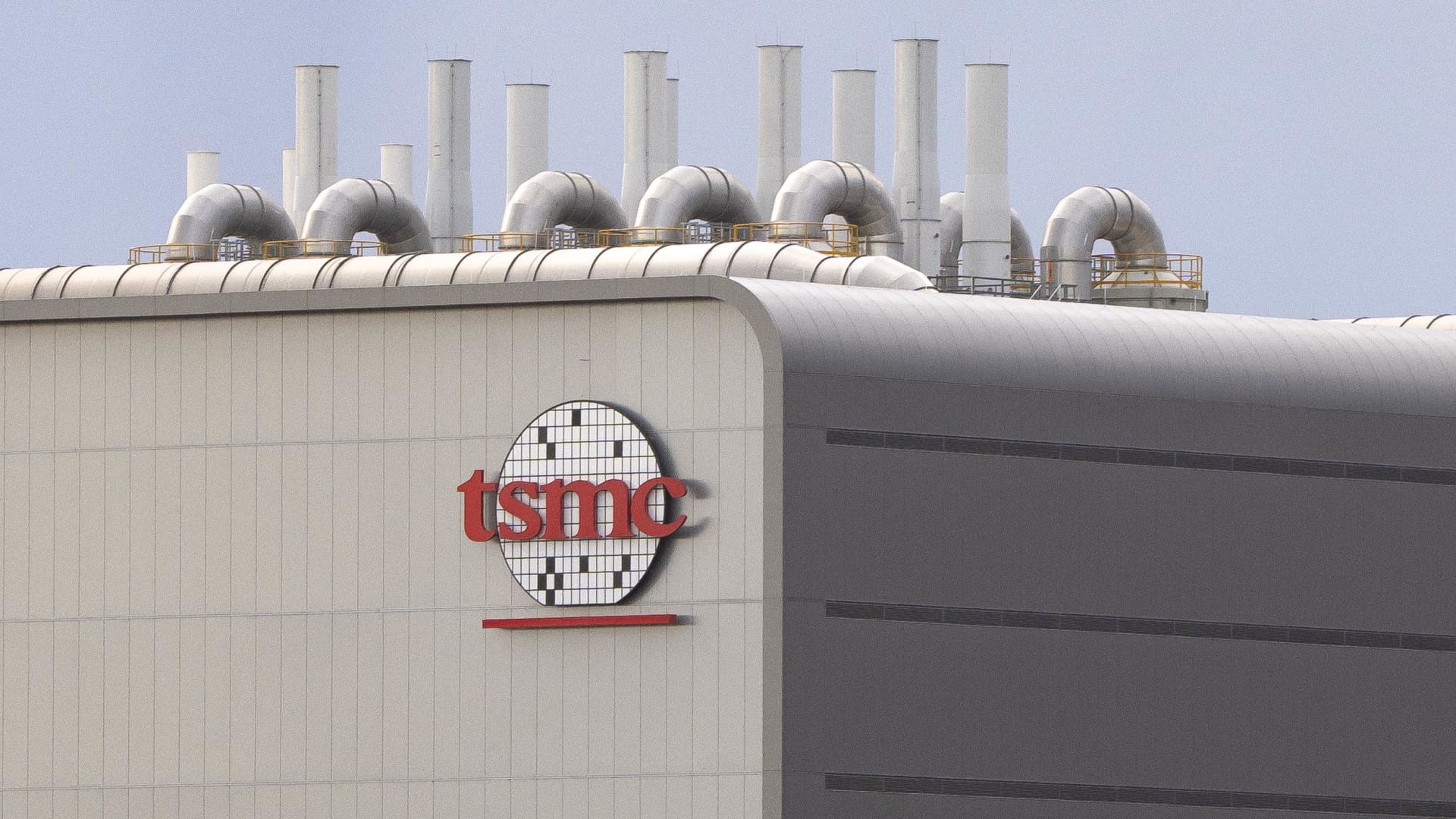
TSMC, which manufactures Nvidia chips, said the situation in the Middle East could impact its profitability, with prices for certain chemicals and gases likely to increase. Foxconn, the world’s largest contract electronics manufacturer, singled out events in the Middle East as a key challenge this year. Chipmaker Infineon said costs would rise for precious metals, energy and freight as a result of the war.
The companies’ situation could get worse, Francisco Jeronimo, analyst at IDC, told CNBC.
“We can expect further negative impact this year…the price of gas, energy and freight are at an all-time high and are likely to remain high for a few more quarters, even if the situation de-escalates,” he said. “Even with a potential ceasefire, the supply-side damage doesn’t improve overnight.”
Rising costs
Supply chain disruption and energy costs are two areas of concern for chip companies amid the Iran war.
Helium, which is mainly produced as a by-product of natural gas production, is crucial to semiconductor manufacturing. Qatar, the world’s second-largest supplier which owns part of the world’s largest gas field, has seen its export capacity hamstrung by Iranian strikes. Qatar provided over 30% of the market in 2025, according to S&P Global.
Access to other materials crucial to the semiconductor manufacturing process, such as bromine and aluminium, have also been impacted. In March, chip buyers in Europe were paying more and tapping backup stores as the war disrupted air freight.

Chip companies “all understand they need to diversify to be less dependent on a specific region,” said Jeronimo. From a short-term perspective, TSMC is building inventory buffers and diversifying sourcing, he added.
The Taiwanese chipmaker’s strategy was “to continuously develop multi-source supply solutions to build a well-diversified global supplier base and to improve the local supply chain,” Chief Financial Officer Wendell Huang said on an earnings call in April.
VAT Group, which supplies components to chipmakers, said it experienced supply chain disruption and had to reroute shipments of goods to customers as a result of the war. While the company said it expected no material impact on its 2026 full-year outlook, sales for its first quarter took a hit of 20-25 million Swiss francs ($25.5 million to $32 million), the company reported.
Prolonged conflict concerns
Rising energy costs are currently a “most acute” problem for manufacturers and fabs, Sebastien Naji, analyst at William Blair, told CNBC.
But the longer the conflict in the Middle East lasts, the “more significant the second and third order impacts on component costs, vendor margins and overall AI data center economics,” he added.
Supply chain impacts and rising costs that have been exposed this company earnings season could just mark the beginning of the headwinds should a U.S.-Iran stalemate continue to play out.
“If the blockade continues through the summer, we are more likely to revisit the risks and impacts in future earnings periods,” Naji said.
As of Monday, there were no signs that the U.S. and Iran were any closer to reaching a deal as U.S. President Donald Trump ramped up threats to Tehran on Sunday.
Japanese semiconductor testing equipment maker Advantest said in its earnings that the “business environment surrounding the company remains unpredictable” due to “concerns of escalating tensions in the Middle East potentially leading to a slowdown in the global economy.”
While the direct impact on earnings was currently limited, the company said, certain costs, including in logistics, had already arisen, and supply chain shortages could emerge.
But so far, the AI boom is cushioning any investor caution, with stocks continuing to rally.
“Any disruption so far has been completely overshadowed by the upswing in investor confidence in AI,” Michael Field, chief equity strategist at Morningstar, told CNBC, pointing to big gains in recent weeks from chip companies.
Nasdaq’s PHLX Semiconductor Sector Index — comprising the 30 largest U.S.-traded chip companies — has risen 41% over the past three months.

Philadelphia SE Semiconductor Index shares over the past three months.
“The companies that will be insulated [against impacts from the Iran war] are the ones with safety stock, diversified sourcing and pricing power on manufacturing capacity,” said Jeronimo.
“Everyone else will be under increasing cost pressure for the rest of 2026.”