



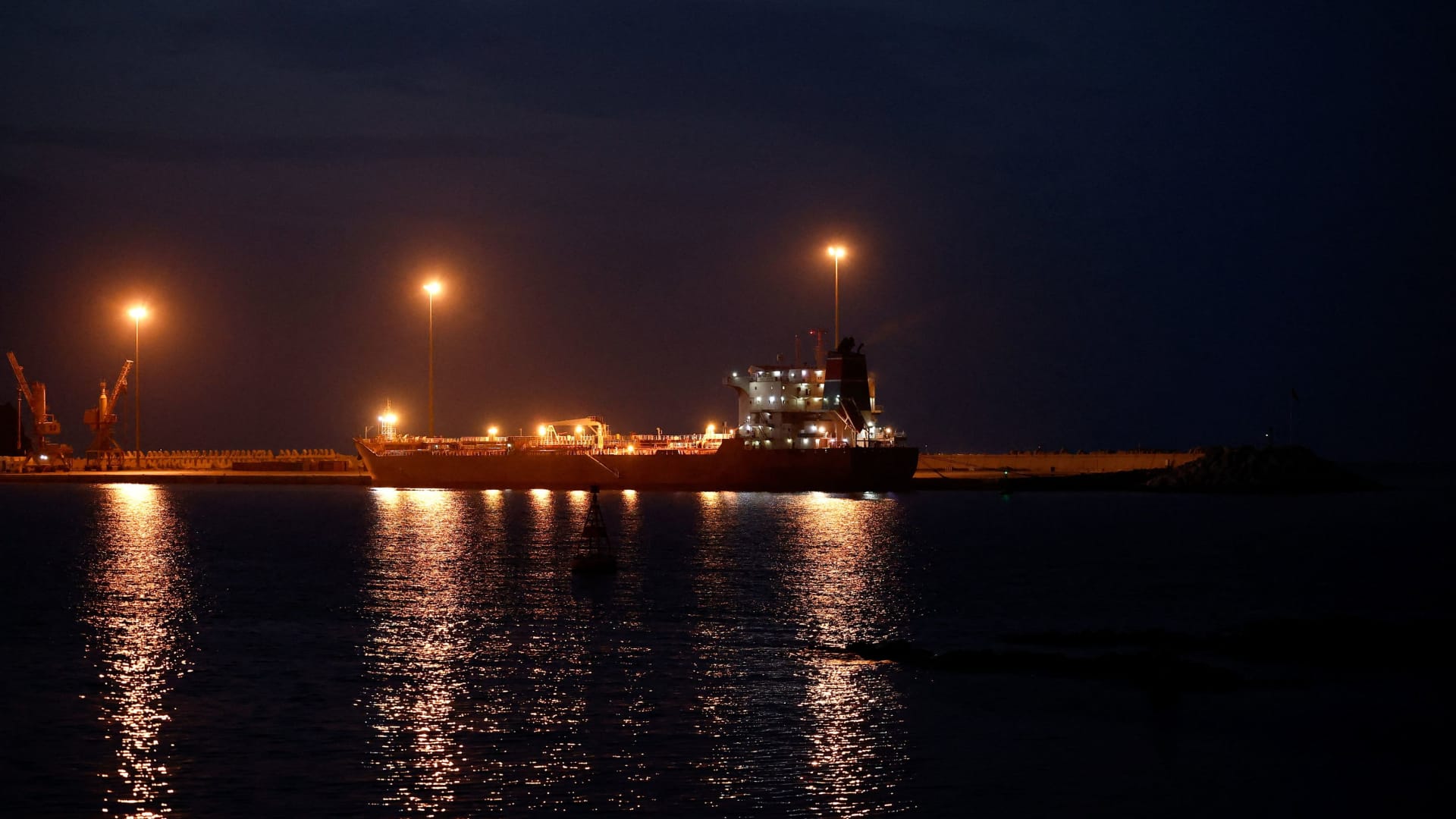
Oil prices fell on Wednesday after reports that the U.S. had given Iran a plan to end the war, pushing stocks higher. Can investors finally breathe a sigh of relief? Not so fast, says Morgan Stanley. In a client note, analysts said that even a reopening of the critical Strait of Hormuz, which Iran has effectively closed to oil tankers during the conflict, won’t immediately restore the world to its pre-conflict state. Some 20-25% of the world’s oil supply and 20% of its liquefied gas passes through this critical shipping lane, and the ease with which it was shut down may permanently change how countries approach their own energy policies. It’s a new lens for many. Despite all the many conflicts in the Middle East over many decades, not one has caused a total shutdown of the Strait of Hormuz. As the analysts pointed out, this post-war global economy will likely change in three ways: The world needs reserves away from the Middle East. Most of the world’s excess oil sits on the wrong side of the Strait, making it largely inaccessible in the case of a shutdown. This will force countries to rethink the value of that spare capacity, given its location, thereby keeping prices high and volatile. Put another way, countries may look to asterisk the excess supply that sits on the wrong side of the Strait, counting only a portion of it as actually accessible excess. Greater emphasis on strategic stockpiles . Once this conflict is over, countries will likely look to build domestic reserves to even higher levels than before. The U.S. has never managed to refill its strategic petroleum reserve to pre-2022 levels. Coming out of this, there is likely to be increased effort to do so, especially in Europe and Asia, which are really feeling the brunt of this oil disruption. Higher prices for longer. We likely see a premium on oil supplies that do not pass through the Strait. And since energy is a global commodity, premiums on oil from one place will drive up prices overall, even if “Strait energy” trades at a discount to those non-Strait premium-priced supply lines. The winners in all of this, of course, are companies in the energy sector. Morgan Stanley now estimates 2026 earnings will be double its prior expectations, with 2027 earnings about 50% above prior expectations. The losers? Everyone else. Higher oil prices erode consumer spending power and raise a key input cost for companies, which must then absorb or pass along through higher prices. Even with a resolution to the war, corporate margins could be crunched, or prices passed through, resulting in a rebound in inflation, neither of which is good for stocks. The relative winners are those companies best positioned to eat or pass through the costs, meaning those with scale, pricing power, and secular trends strong enough for investors to look past the headwind of higher energy prices. Think Linde in the materials sector, or Costco in consumer staples. While oil prices may stay higher, stocks should rally on a resolution to the war, whenever that happens. Often, it’s not so much the level of a commodity or financial modeling input (like interest rates) as the volatility and pace of moves that concern investors. Wall Street can price good news or bad — it’s the uncertainty that causes investors to step to the sidelines. In addition to watching oil prices, Jim Cramer told members in Wednesday’s meeting that the way Chevron trades is a good barometer of the overall stock market’s direction. If Chevron is down, as it was on Wednesday, then the market would likely be higher, and vice versa. The value of increased certainty from an end to the war should matter more than an extra $20 in the price of a barrel of oil, at least in the near-term. That’s especially true if it makes conditions a bit easier for the Federal Reserve to justify cutting rates, which job market dynamics may dictate they do. Lower rates and increased certainty in oil supplies (even if we start to asterisk Strait-linked supplies) should help stocks. (See here for a full list of the stocks in Jim Cramer’s Charitable Trust.) As a subscriber to the CNBC Investing Club with Jim Cramer, you will receive a trade alert before Jim makes a trade. Jim waits 45 minutes after sending a trade alert before buying or selling a stock in his charitable trust’s portfolio. If Jim has talked about a stock on CNBC TV, he waits 72 hours after issuing the trade alert before executing the trade. THE ABOVE INVESTING CLUB INFORMATION IS SUBJECT TO OUR TERMS AND CONDITIONS AND PRIVACY POLICY , TOGETHER WITH OUR DISCLAIMER . NO FIDUCIARY OBLIGATION OR DUTY EXISTS, OR IS CREATED, BY VIRTUE OF YOUR RECEIPT OF ANY INFORMATION PROVIDED IN CONNECTION WITH THE INVESTING CLUB. NO SPECIFIC OUTCOME OR PROFIT IS GUARANTEED.