






As the NFL prepares to negotiate billions of dollars in new media contracts that determine where fans will watch games and how much they will pay to do so, a new entity has joined those negotiations: the federal government.
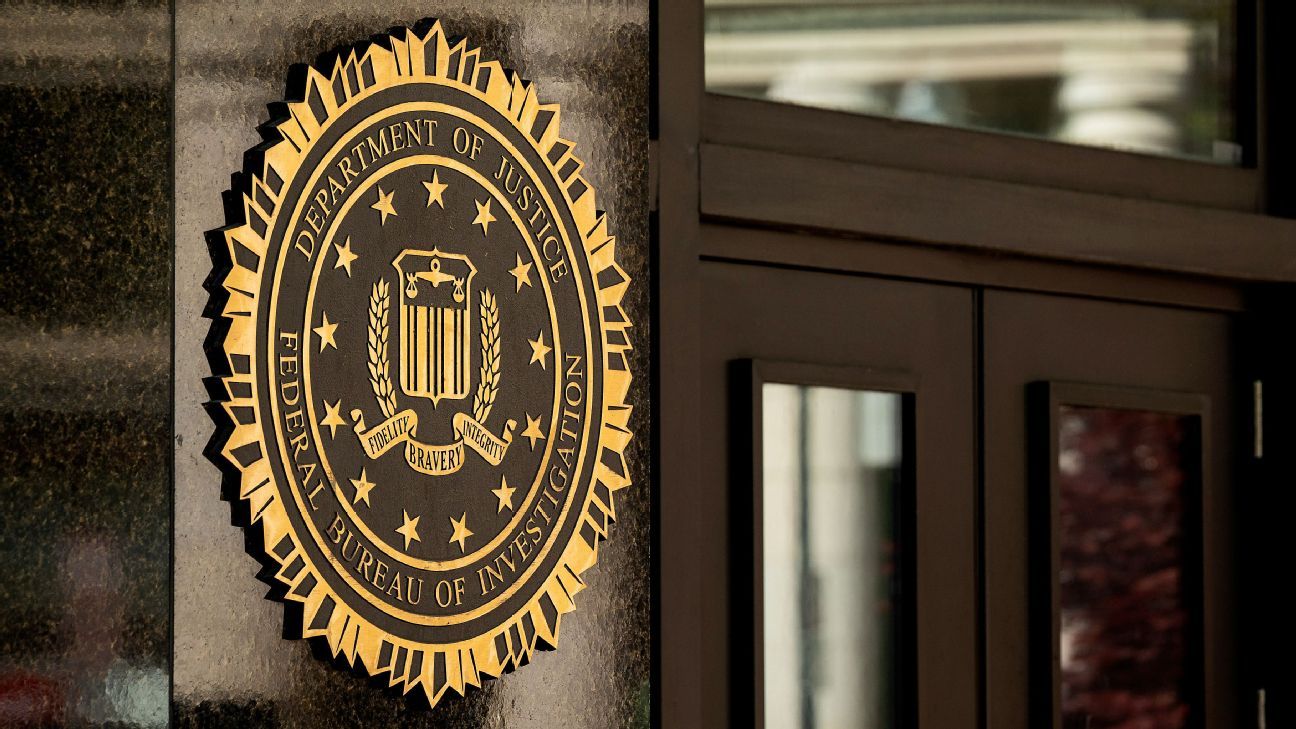
The Justice Department has launched an investigation into whether the NFL is harming consumers in the way it sells its broadcast rights.
Lawmakers and a growing number of fans have expressed concern over the NFL and other leagues putting more games on subscription streaming services, potentially increasing costs for viewers. Although the full scope of the investigation is unclear, the NFL and other leagues have limited antitrust exemptions as part of the Sports Broadcasting Act of 1961, which allows them to sell broadcast rights to all games simultaneously to make them more widely available to fans.
The NFL currently has television contracts with ESPN/ABC, NBC Sports, CBS Sports, Fox Sports, Prime Video, and Netflix to broadcast its games. A subscription is required to watch “Monday Night Football” games on ESPN that are not simulcast on ABC, “Thursday Night Football” on Amazon’s Prime Video and to watch Black Friday games and Christmas games on Netflix. Some international games also air on NFL Network, which is owned by ESPN. Select post-season games also require a subscription. The NFL has also provided select games to ESPN+, YouTube and Peacock in the past.
Telecasts of all playing teams’ games are broadcast free to local stations in the markets.
According to multiple people familiar with the matter, the feeling inside the NFL league office is that the Murdoch family, which owns Fox Corporation, is the main driver behind the DOJ investigation. Fox currently pays more than $2 billion for its Sunday afternoon package, but the league has telegraphed that it plans to exercise an opt-out clause in its existing deals after the 2029 season.
A Fox spokesperson declined to comment.
In February, Fox Corp Chief Executive Officer Lachlan Murdoch said Fox would be able to offset any cost increases that occur with renegotiations: “We will certainly look at balancing or rebalancing our portfolio as we move forward when opportunities become available,” he said.
A person with direct knowledge of the league’s thinking described the internal reaction to the DOJ’s actions as “surprised,” but the person said there was already general frustration within the NFL and a perception that Fox was grooming Congress and the Federal Communications Commission to investigate the league’s antitrust exemption.
The NFL’s general counsel, Ted Ullyot, gave an update on the case and the possibility of a DOJ investigation during league meetings in Phoenix last week, according to another source with direct knowledge of league matters.
“Ted didn’t seem that concerned during his update, but we’ll see,” the source said.
The league’s rights deals currently pay the league more than $10 billion per year and run through 2033, with ESPN’s deal running through 2034. As part of those opt-out clause negotiations, the league will undoubtedly ask for more money from media companies, given the NFL’s immense popularity. According to Nielsen, eighty-three of the 100 most watched TV programs last year were NFL games. But the league could also create new packages by moving games from Sunday afternoons, where they currently air on CBS and Fox. Fox remains the only media company without a subscription streaming service, where the NFL has increasingly experimented with new games. Prime Video broadcasts Thursday night games and Google-owned YouTube has the rights to Sunday Ticket, a paid subscription that gives viewers access to Sunday games out of market.
League officials who spoke to ESPN were quick to note that the Murdoch media empire has turned the cost of streaming into a hobby issue. The Wall Street Journal, which is owned by the Murdoch family, ran an editorial On this issue earlier this month: “The perception is that [NFL commissioner Roger Goodell] Thinks it can get more money from big tech’s streaming services than from its longtime TV partners. This would hurt networks, especially local stations, which depend on the NFL for advertising revenue. … It would also mean higher prices for football spectators attending the NFL, and the consumer benefit is one of the losters of antitrust law,” the publication’s editorial board wrote. Fox News has run segments about the rising costs of sports spectatorship. Fox Corporation filed an official comment with the FCC, arguing that pay-walling poses a threat to sports broadcast TV, which is vital to local communities.
“The big winner so far in media distribution growth has been live sports,” said Patrick Craix, a former Fox Sports executive turned media consultant. “This is a reaction against the aggressively increasing rights fees charged by networks, especially those involving the NFL.”
The NFL said in a statement Thursday: “The NFL’s media distribution model is the most fan- and broadcaster-friendly in the entire sports and entertainment industry,” noting that nearly 90 percent of its games are on free, broadcast television.
NBC Sports and Fox Sports declined to comment. ESPN referred a request for comment to parent company Disney, which declined to comment. CBS Sports, Amazon, Netflix and YouTube did not respond to requests for comment. The NFL owns a 10 percent stake in ESPN. It is unclear how the NFL’s new partnership with ESPN will affect any future renegotiation of rights with the network.
The league is currently negotiating with CBS owner Paramount Skydance about a new rights fee as a condition of the change in ownership following Skydance’s acquisition of CBS. Other partners are preparing for similar talks ahead of the opt-out this year. According to several people familiar with the deliberations, one of the questions they are considering is: Can they extend their deals if they have to pay more in renegotiations? And if they don’t renegotiate with the NFL, do they risk not getting the best games for the rest of their deals? The networks are protesting the NFL and demanding more money, while the traditional TV business continues to decline.
The backdrop to all this maneuvering, meanwhile, is growing bipartisan anti-streaming sentiment in Washington. This week, Senator Elizabeth Warren, D-Mass., sent a letter to the FCC Asking the Commission to investigate the cost of streaming to fans.
Senator Mike Lee, R-Utah, and chairman of the Senate Judiciary Committee’s Subcommittee on Antitrust, Competition Policy and Consumer Rights, has also called on the DOJ to review the NFL’s media distribution.
The Donald Trump administration has targeted the league several times — both in 2017 when Trump said NFL owners should fire any player who kneels during the national anthem, and last season when he criticized the league’s choice of Bad Bunny as its Super Bowl halftime performer. The difference with the Sports Broadcasting Act is that the Democrats are involved with the Justice Department.
Congressman Patrick Ryan, D-NY, this week reiterated his support for repealing the act.
“We’re seeing the same story over and over again: Billionaires in boardrooms making decisions to maximize their profits without even a moment’s thought about the fans,” he said in a statement to ESPN. “The Sports Broadcasting Act might have made sense in the ’60s, but what we’re essentially seeing here is a classic case of a monopolistic industry using its power and control to take advantage of the American people.”
Congress could vote to repeal the NFL’s limited antitrust exemption. And then a lawsuit would need to be filed against the league, in order to fundamentally change the way the league distributes its games. (A separate lawsuit over how the league sells its Sunday Ticket packages is also currently under appeal in federal court.) So fans won’t notice any significant differences in the way they watch games anytime soon.
Former NFL media head Frank Hawkins, who now works for the law firm Schumaker, Loop & Kendrick, said: “The NFL can sell its games to whoever they want, they just have to be prepared to defend it in an antitrust case. And the way they have set up their television, they have the most fans among the sports leagues, so they’ll have a good case.”
ESPN’s Don Van Natta Jr. contributed to this report.