








-

Alexa Filippo
multiple authors
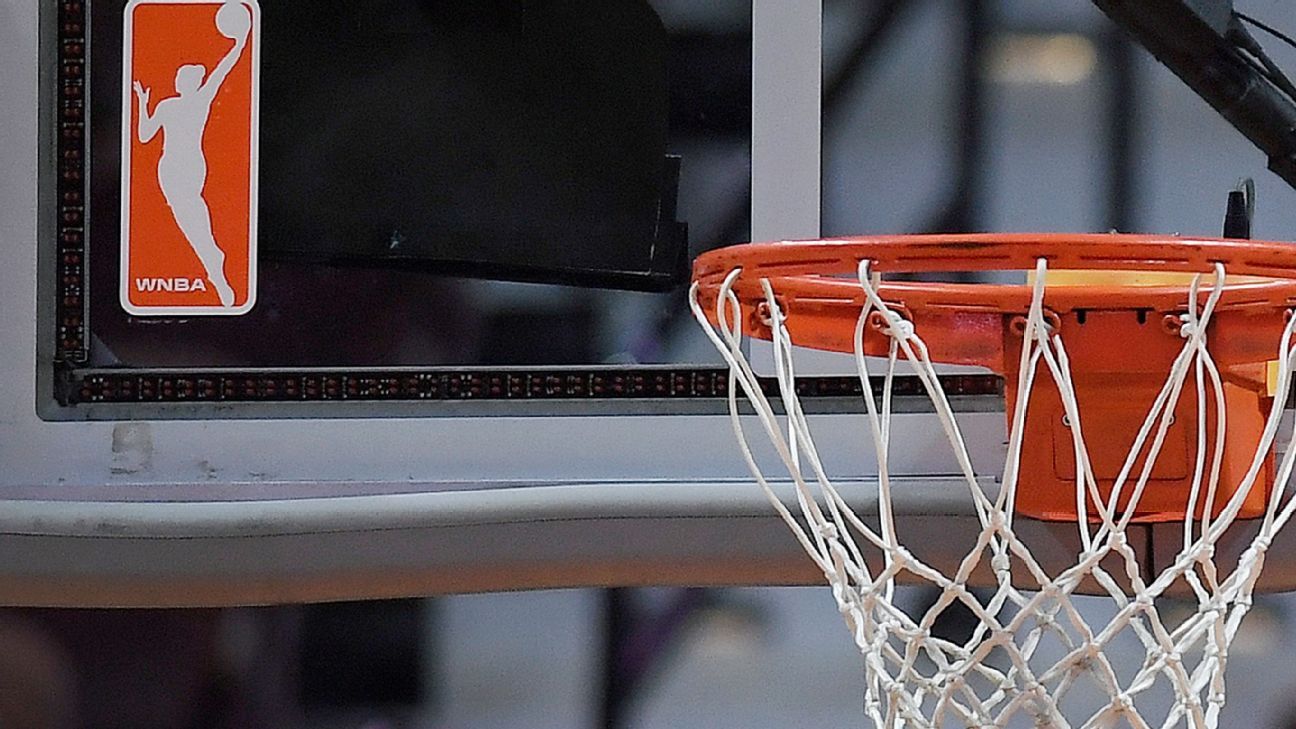
The Women’s National Basketball Players Association submitted a counter-proposal to the WNBA on Tuesday that included some concessions on revenue sharing and housing, sources told ESPN.
According to a source familiar with the proposal, the players union is now asking for an average of 27.5% of gross revenue over the course of the agreement, defined as revenue before expenses are deducted, including 25% — and less than the $9.5 million salary cap — in Year 1.
In its previous proposal from December, the union called for players to receive an average of 31% of gross revenue, starting at 28% in Year 1, with a salary cap of about $10.5 million.
On the issue of housing — which has also been a sticking point in negotiations — the players proposed that teams continue to provide housing to players in the first several years of the new agreement, but in subsequent years, teams would not be obligated to provide housing for players making close to maximum salaries on multiyear deals and receiving full salary protection, a source said.
WNBA teams have been required to provide housing for players since the first CBA was ratified in 1999, and in the previous agreement, which officially expired in January after two extensions, teams could provide housing in the form of one-bedroom apartments or stipends. But the league had not included housing provisions in its proposals before its latest proposal.
In its proposal earlier this month, The league made its concessions on accommodation and facility standards. The league offered to keep players at their applicable minimum salary and those with zero years of service were provided one-bedroom apartments for the first three years of the new deal and developmental players were provided studio apartments.
The WNBPA had previously proposed excluding housing costs from the players’ share of its revenue sharing system, as well as eliminating the housing stipend.
In a statement provided to ESPN late Tuesday, a WNBA spokesperson indicated that the union’s new proposal would not be enough to move the needle.
“The Players Association’s latest proposal is unrealistic and will cost our teams millions of dollars,” the statement said. “We still have two drafts to complete [a two-team expansion draft and college draft] And free agency and time are running out before training camp starts. We believe the WNBA’s proposal will result in a big win for current players and future generations.”
Now 16 months into negotiations, the league has consistently stressed the importance of business health and sustainability. A source familiar with the situation told ESPN the league projects that the WNBPA’s new plan will result in a loss of $460 million over the lifetime of the agreement.
ESPN reported in December that the league had estimated that the union’s previous plan would result in a $700 million loss over the course of the agreement and would put the league’s financial health at risk. The union believes its revenue sharing model will still put the league in a “profitable position,” a separate source close to the talks said, and called the league’s projected loss figure “absolutely incorrect,” citing differences in whether the expansion fee is included in those calculations.
Tuesday’s counter proposal comes 11 days after League submits response to WNBPA proposal From around Christmas. That six-week hiatus caused much frustration on the part of the players, but league officials felt that there was no need to respond to the players’ proposal because it was not too different from their previous proposal.
Both sides agree to implement a revenue sharing system in which players’ salaries increase as both league and team revenues increase. But they do not agree on what exactly a revenue sharing system should look like, with the league continuing to propose one based on net revenue (i.e. revenue after expenses are deducted) and the WNBPA continuing to seek one based on gross revenue.
The league has proposed that players would receive an average of more than 70% of net revenues, subject to less than 15% of gross revenues. Its latest proposal includes a $5.65 million salary cap in 2026 (up from about $1.5 million in 2025) that will increase in subsequent years in line with revenue growth.
In the WNBA’s proposal, the maximum salary, including revenue sharing payments, would be approximately $1.3 million in 2026 and was projected to reach $2 million in 2031. The Supermax came in at $249,000 in 2025. The average player salary, including revenue sharing, was projected to reach $540,000 in 2026 and $780,000 by 2031, up from $120,000 in 2025.
The league said it also made compromises in other areas, such as adding two new developmental roster spots, including pregnant player trade consent, eliminating marijuana testing, increasing team contributions to players’ 401(k) retirement accounts, adding new team staffing and facility requirements and introducing a recognition payment for current retirees. Charter flight travel is also set to be codified in the new agreement.