




-

Alexa Filippo
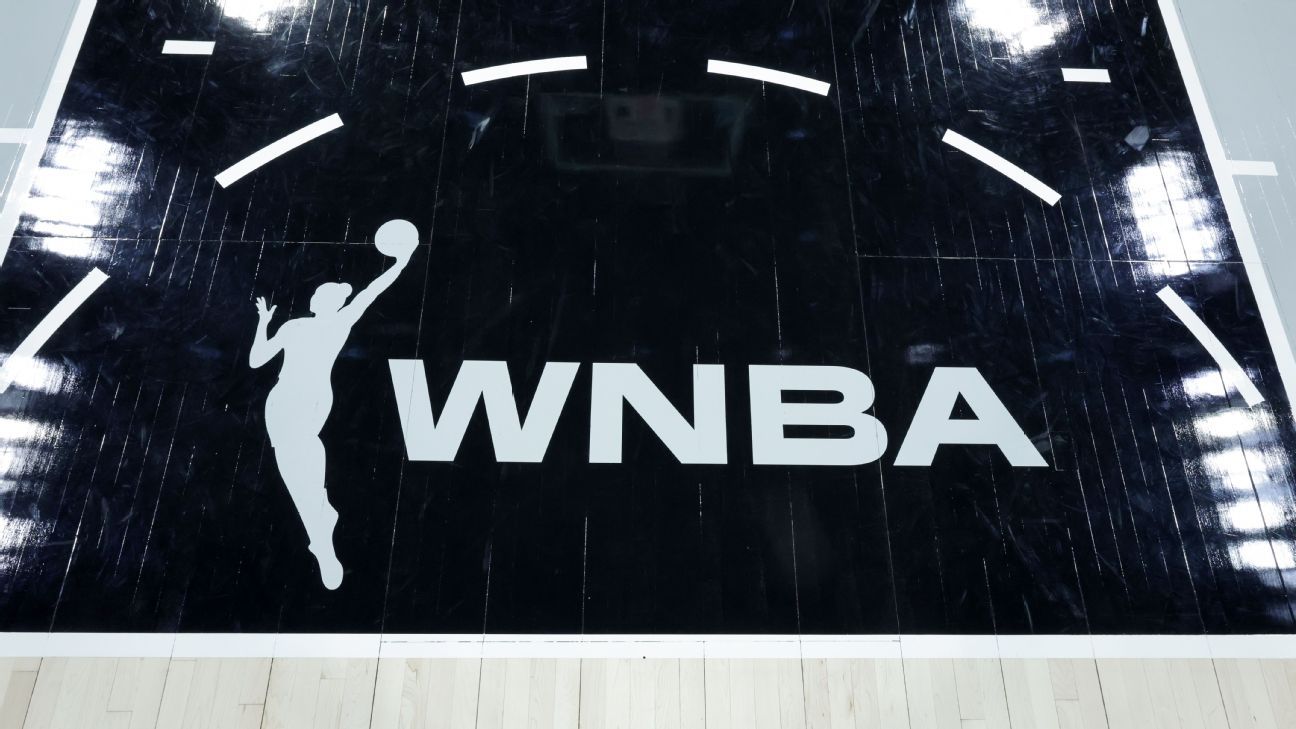
As negotiations between the WNBA and the Women’s National Basketball Players Association on a new collective bargaining agreement near the Jan. 9 deadline, the sides remain far apart on several key issues: what the revenue sharing system should look like, what revenue should be considered and how expenses should be accounted for.
Multiple sources familiar with the negotiations told ESPN on Wednesday that the WNBA estimates that the WNBPA’s recent proposal — which would give players about 30% of gross revenue and is believed to have a salary cap of about $10.5 million — would result in a $700 million loss over the course of the agreement. Sources said such losses would jeopardize the league’s financial health, and they would exceed the combined losses of the league and its teams in the first 29 years of the WNBA’s existence.
The projection was determined based on previously audited league financial information, sources said.
But the union believes its revenue sharing model still puts the league in a “profitable position,” a separate source close to the talks said, and called the league’s projected loss figure “absolutely incorrect,” citing the discrepancy in including the expansion fee.
The league will soon expand to 18 teams — Portland and Toronto will debut in 2026, and Cleveland, Detroit and Philadelphia recently paid $250 million each to join the league between 2028 and 2030.
The league considers the expansion fee to be a transaction that generates zero net revenue: new teams are locked out of the expansion fee but earn a fractional share of future league revenue, while already existing teams get a share of the fee but lose a fractional share of future league revenue.
The union’s proposal, meanwhile, accounts for expansion fees in its projections, viewing them as real money that still contributes to owners’ bottom lines.
Either way, the two sides are divided over the nature of the revenue share model of the next deal, sources told ESPN.
A source told ESPN that the league has proposed a system where players would receive more than 50% of net revenue, which is essentially defined as revenue after subtracting expenses. The WNBA proposal, last reported on December 18, included: an uncapped revenue sharing component; increasing the maximum salary above $1.3 million and increasing to approximately $2 million over the life of the deal; Average salaries topping $530,000 and rising to more than $780,000 over the life of the deal; And the minimum wage increased by more than a quarter of a million in the first year alone. The salary cap will be $5 million in the first year and will increase in line with revenue growth in subsequent years.
By comparison, in 2025, the WNBA supermax was $249,244, the average salary was $120,000, the minimum was $66,079, and the salary range was $1,507,100.
The league has previously said that in addition to significantly increasing salaries and other cost commitments, it wants to encourage owners to continue investing in business operations. The WNBA’s tremendous growth in recent years provides an opportunity for the business to transition from loss-making to sustained profitability.
Should revenues exceed projections, including as the league and its media partners reevaluate their recently agreed upon rights deal, the WNBA’s revenue sharing component allows players to still participate in that upside.
However, WNBPA president Nneka Ogwumike told ESPN on December 19 that the league’s revenue share model “is not good enough.” The union is proposing a system based on gross revenue – defined as revenue before subtracting expenses – giving players about 30%. The WNBPA believes that players who provide labor and have no control over business expenses should not be paid finalists.
According to a document obtained by ESPN that was shared with players, the WNBPA last month proposed a compensation system with a projected salary cap of about $12.5 million in 2026, eight times the 2025 cap. That November 28 proposal included an average player salary of approximately $1 million and a maximum player salary of $2.5 million, 20% of the proposed salary cap – marking previously reported salary figures for the players’ side of the bargaining table overall.
Recently as negotiations have continued, the union has proposed a lower salary cap closer to $10.5 million, multiple sources familiar with the negotiations told ESPN.
“The WNBPA staff regularly provides written and verbal updates to members on the status of ongoing negotiations with the league and teams,” the WNBPA said in a statement provided to ESPN when asked about the document. “The players are fully engaged and focused on securing a transformational agreement that provides a meaningful share of the revenues generated from their labor.”
The two sides have previously agreed to continue negotiations on two extensions to the existing CBA and a new deal. But Ogwumike told ESPN that even after opting out of the current CBA a year ago, it almost feels like the negotiations are “a little bit early.”
Earlier this month, the players authorized Ogwumike and the rest of the union’s executive committee to vote on a strike “if necessary”, calling the move “the inevitable response to the state of negotiations with the WNBA and its teams.”
“It means we can potentially strike if we need to, but it doesn’t mean we want to,” Ogwumike told ESPN about the vote. “But we have it in our arsenal to get us exactly what we need, which is a fair deal that represents our value in a very meaningful way.”
ESPN’s Michael Voeppel contributed to this report.