





HOUSTON — The Trump administration plans to bring additional diesel to the market as fuel prices surge, Energy Secretary Chris Wright told CNBC on Monday.
“We do have some ideas on diesel, that we can bring extra diesel to the marketplace,” Wright told CNBC’s Brian Sullivan in an interview. “I think we’ll see that happen before too long.”
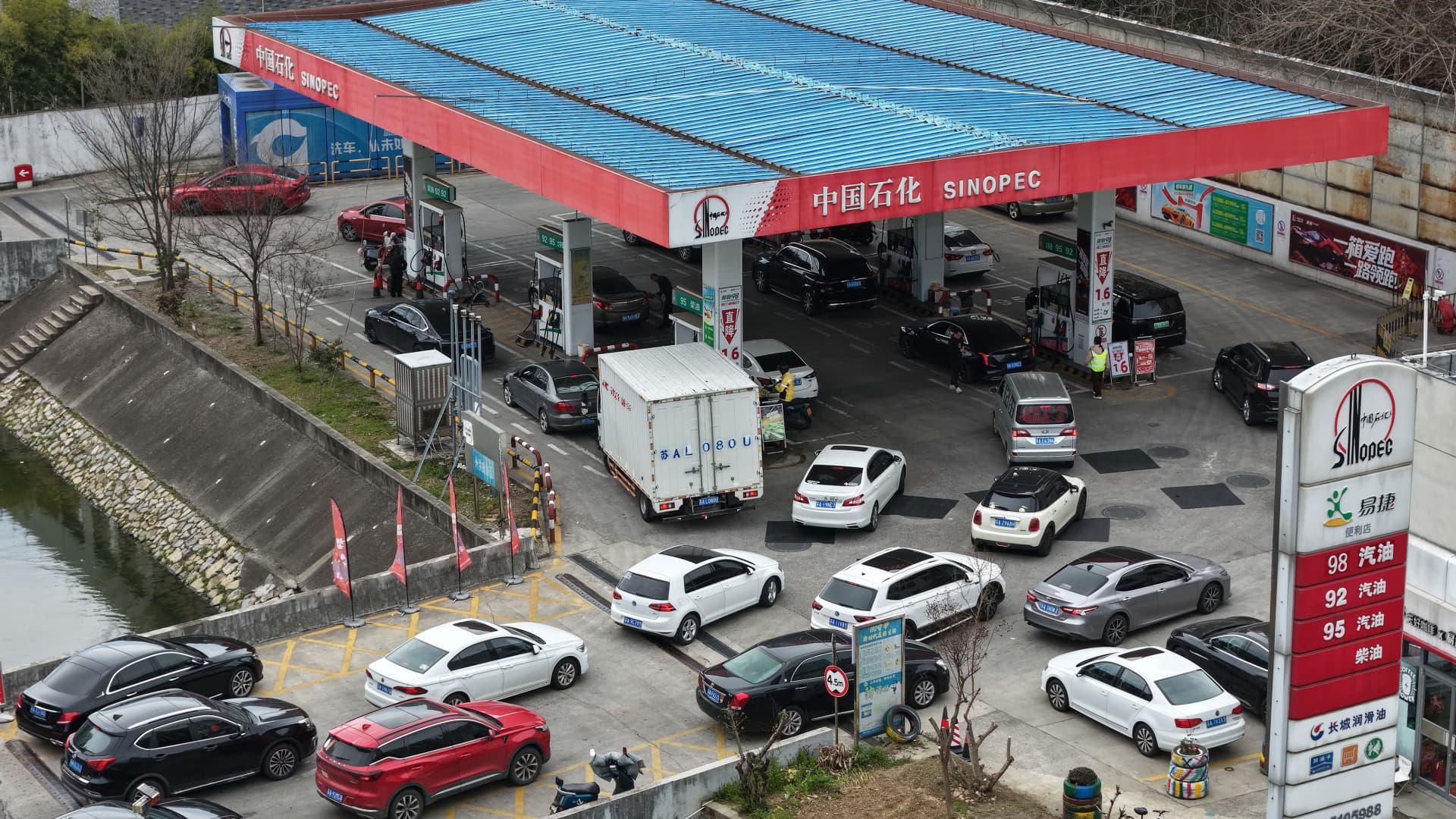
Diesel prices have surged about 40% to $5.29 per gallon, the highest level since 2022, as the Iran war has triggered the largest oil supply disruption in history. Diesel is used by trucks and freight trains to transport goods to market.
Wright said the U.S. is not considering limiting diesel exports as prices rise.
“You don’t want to interrupt the free flow of energy trades,” Wright said. “We refine more oil than we can consume. If we blocked exports, we’d have to turn down our own refineries and produce less oil and less refined products. That wouldn’t be productive for the United States, certainly wouldn’t be productive for the world.”
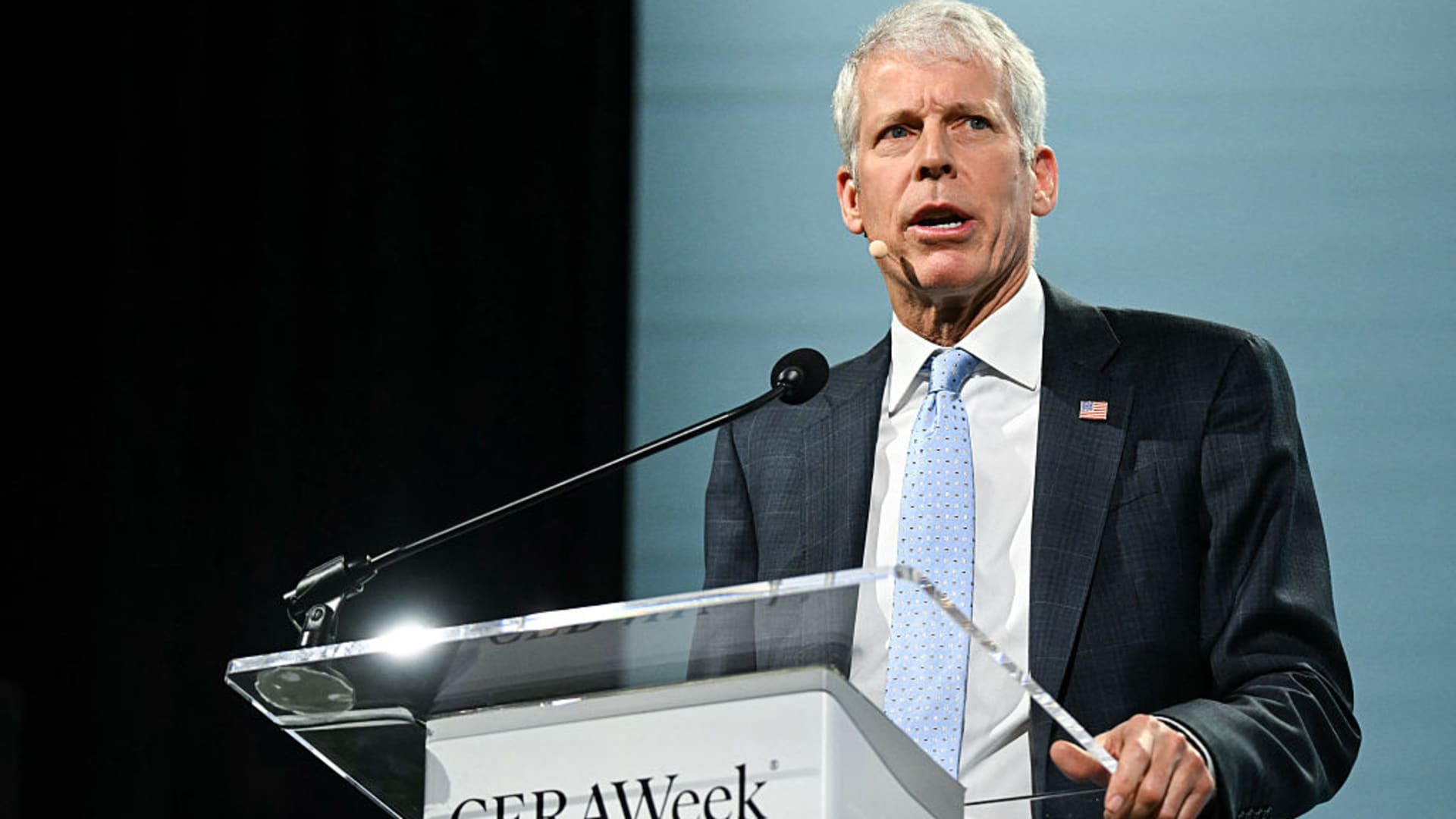
The U.S. will release about 1 million to 1.5 million barrels per day from its Strategic Petroleum Reserve to address the supply disruption triggered by the Iran war, Wright said at S&P Global’s CERAWeek energy conference here. Emergency stockpile releases could reach nearly 3 million bpd total, he said.
“It’s going to be between a million and a million and a half barrels a day out of U.S. stocks,” Wright said. “And we’ll get possibly close to 3 million barrels total.”
Oil from the U.S. strategic reserve started flowing on Friday afternoon, Wright said. “Japan has also moved quickly, some nations a little bit more slowly,” the energy secretary said.
More than 30 nations in the International Energy Agency agreed on March 11 to inject 400 million barrels of oil into the global market. The U.S. will release 172 million barrels from its strategic reserve as part of that effort.
Wright told CNBC that the U.S. is not planning to release more barrels from the reserve. “I think that’s highly unlikely,” the energy secretary said.
Oil tanker traffic through the Strait of Hormuz has plunged as Iran attacks commercial ships. The strait is the most important sea route in the world for oil exports, with about 20% of world supplies passing through the waterway before the war. Iran has also targeted energy infrastructure in the Persian Gulf Arab states.
Oil prices have surged more than 30% since the U.S. and Israel attacked Iran on Feb. 28. Prices plunged Monday after President Donald Trump said Iran and the U.S. held productive talks. Trump said he was holding off on striking Iranian power plants for five days.
Wright described the oil supply disruption as a short-term challenge. He said prices have not surged high enough yet to depress global demand.
“Markets do what markets do,” Wright said. “Prices went up to send signals to everyone that could produce more, please produce more. Prices have not risen high enough yet to drive meaningful demand destruction.”