


Following two high-profile cases in basketball this season, the NCAA Division I cabinet will consider proposed changes to eligibility rules, including barring athletes who enter and remain in a professional sports draft from competing in college.
The Academics and Eligibility Committee proposed the changes on Wednesday and the Cabinet could take action within a few weeks. If the new rules are approved, they will go into effect for athletes entering college this fall.
“These proposed changes reflect the ongoing work by Division I members to modernize our rules to align with the current era of college sports,” said Illinois athletic director Josh Whitman, chairman of the cabinet. “As Division I members move forward to review all eligibility rules in the coming months, our focus will be on establishing rules that have objective criteria that can be applied consistently to both prospective and current student-athletes.”
One of the proposals would require prospects to withdraw from opt-in professional league drafts, including the NBA Draft, to bring pre-college enrollment draft rules in line with post-college enrollment draft rules. Men’s ice hockey and baseball will not be affected because athletes from those sports do not enter the draft.
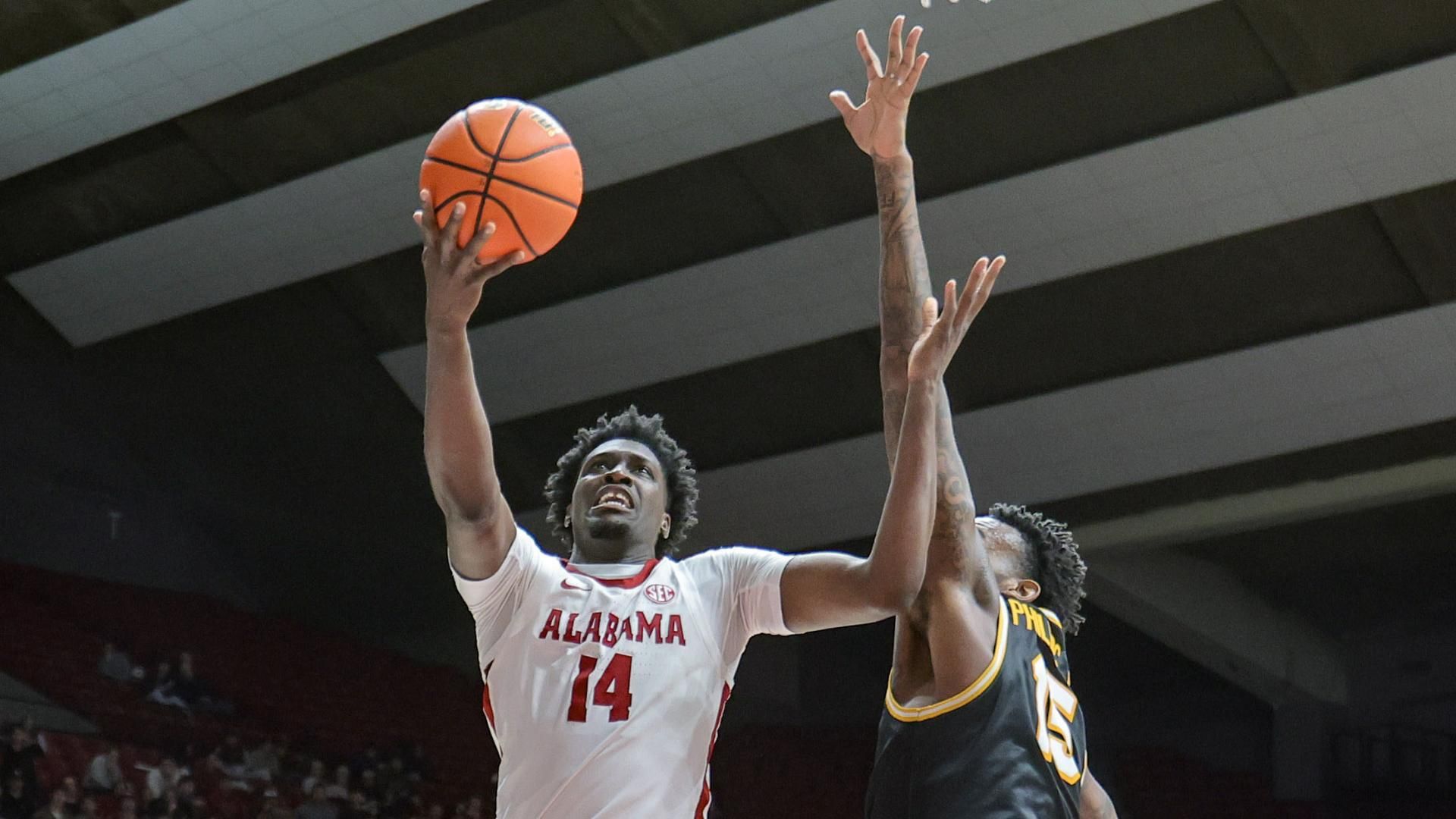
The offer comes after two basketball players, Alabama’s Charles Bediako and Baylor’s James Nnaji, entered the 2023 NBA Draft after playing in college this season.
Bediako played two seasons at Alabama and entered the draft. He was not selected but played for three years in the G League, the NBA’s minor league. He filed a lawsuit against the NCAA after it denied Alabama’s request to be allowed to return to collegiate competition this season.
Bediako’s attorneys argued that he remained within his five-year college eligibility period, an NCAA rule that is the subject of several other lawsuits. A judge, who later recused himself from the case, issued a temporary restraining order that allowed Bediako to play while the case proceeded. He played five games before another judge lifted the order in a decision upheld by the Alabama Supreme Court.
Nnaji of Nigeria was selected by the Detroit Pistons in the second round of the draft. He played professionally overseas before enrolling as a freshman at Baylor in December. He was granted eligibility because he had never signed an NBA contract or played in the G League.
The Academic and Eligibility Committee also proposed that prospective candidates be allowed to sign with agents before enrolling in college. Under current NCAA rules, prospects are allowed to sign with agents for name, image and likeness purposes only, with exceptions for baseball and hockey players who can enter into agreements with agents upon being drafted.
The committee also proposed that athletes should be allowed to accept prize money in their respective sports without affecting eligibility. Currently, prospective players may accept prize money only up to actual and necessary expenses, except in tennis, in which up to $10,000 in prize money is allowed.


