


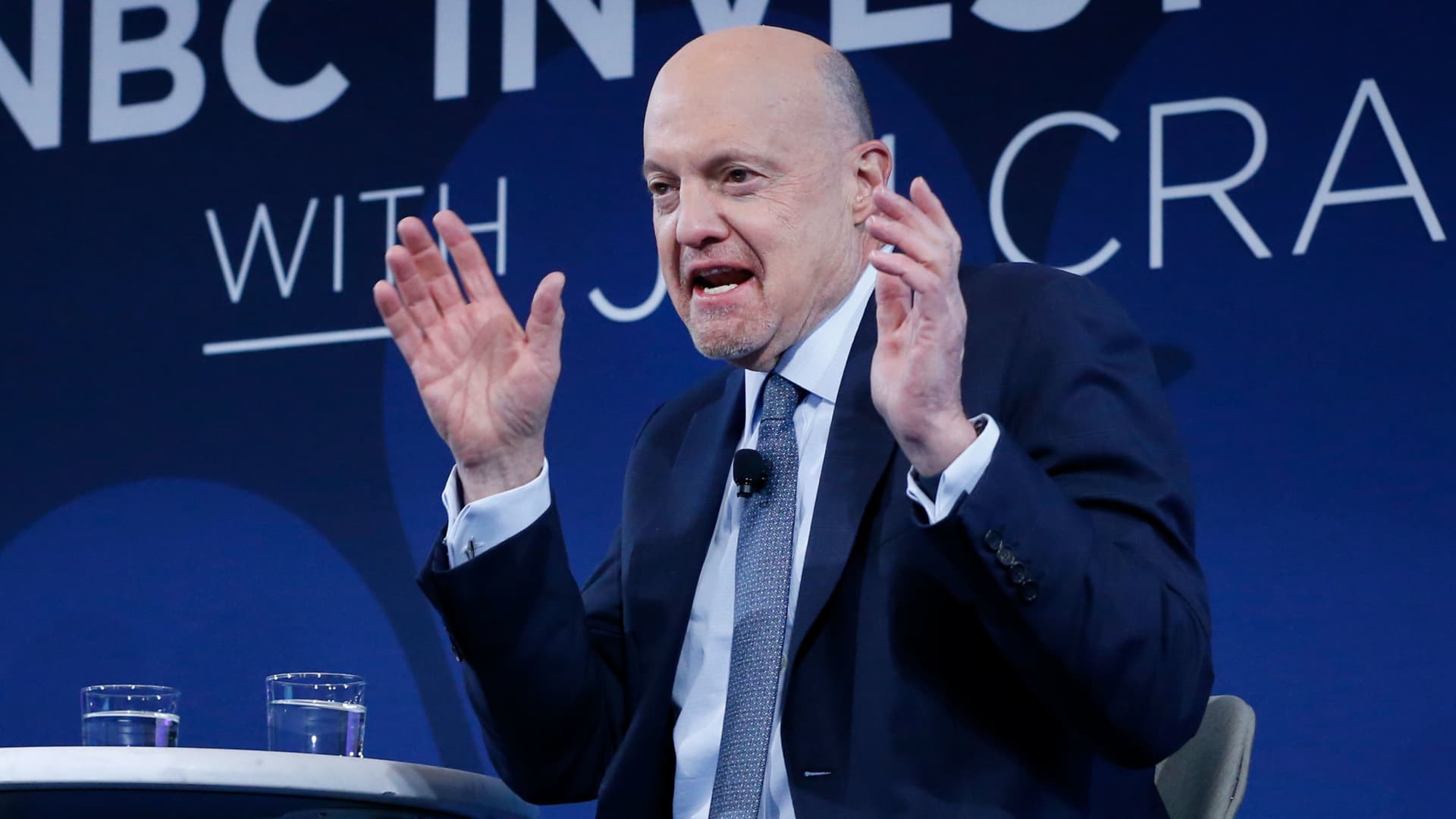
Forty-two years ago, right about now, I was a third-year law student trading options between classes as if they were cold Cokes on a sweltering day. I loved the semiconductors back then — National Semi, Texas Instruments, and Motorola. I also worshipped IBM, always long those calls, and Monolithic Memories was my favorite spec. It’s good to have one spec. I was crushing it, able to pay off my Banco Popular, Chase, Chemical, and Harvard Trust credit cards, only three left, and crunched a chunk of student debt, too. But then I had the misfortune to have a toothache, and a classmate of mine said, “Go see Dr. Traurig in Back Bay, he’s the best.” It was one of the worst financial decisions I have ever made, not because Traurig cost a fortune, he really did, but because he had a financial magazine in the waiting room, and the cover story told you that it was time to cash in on tech. It was too dangerous. People were making so much money, being greedy, but a squall was coming, one that could morph into a Cat 5 hurricane any minute. I remember cursing myself for getting drilled right into the close of trading and having to wait until the next day to extricate myself from all the tech call options. That magazine, that skeptical journalist, the one who pronounced it a watershed moment for technology, kept me from paying off the rest of my credit card debt before I got to New York to start working full-time at Goldman Sachs . Sure enough, he was right. Tech was dead, at least for the next three weeks. Then it rose, like Lazarus, and went on for another 42 years, meaning, until now. The question for me is: How many people have been blown out like me in that dentist’s chair? Scared and frightened, the only way to relieve the pain is to sell. That’s the real reason why so few people make money in the stock market. I now stick with the best of tech. You know why? Not because tech is something special. But because there is a group of amazing companies at any given time with tremendous products in great demand, and a preponderance of them are in the tech sector. There were plenty of clunkers. National Semi never really made a ton of money. Texas Instruments stopped growing fast years ago. I have no idea where Monolithic Memories went. But there are some companies, like the rump of Motorola or IBM, that hang in, and there are others that have disrupted whole industries and are still on top. I like the ones we own, not because they are tech. I like them because they are terrific companies with strong moats and tons of smart people who make incredible products. When their products become me-too, and their good people leave, making them vulnerable to others, I will move along, too. I will not, however, do what I did in 1984 or what so many people are doing now, which is calling it quits because the run is over or because the companies are too big and their businesses aren’t growing like they were, even if that’s not the case. Why let the facts get in the way of a good negative story? Right now it’s tough, but no one ever said it’s hard to get out now; that’s always the easiest course. It’s the one you might want to take. I say let there be better reasons than fear to take action. (See here for a full list of the stocks in Jim Cramer’s Charitable Trust.) As a subscriber to the CNBC Investing Club with Jim Cramer, you will receive a trade alert before Jim makes a trade. Jim waits 45 minutes after sending a trade alert before buying or selling a stock in his charitable trust’s portfolio. If Jim has talked about a stock on CNBC TV, he waits 72 hours after issuing the trade alert before executing the trade. THE ABOVE INVESTING CLUB INFORMATION IS SUBJECT TO OUR TERMS AND CONDITIONS AND PRIVACY POLICY , TOGETHER WITH OUR DISCLAIMER . NO FIDUCIARY OBLIGATION OR DUTY EXISTS, OR IS CREATED, BY VIRTUE OF YOUR RECEIPT OF ANY INFORMATION PROVIDED IN CONNECTION WITH THE INVESTING CLUB. NO SPECIFIC OUTCOME OR PROFIT IS GUARANTEED.