


All of the positive economic talk out of this week’s Federal Reserve meeting had a negative impact on investors, who have now taken expectations for even one interest rate cut this year off the table.
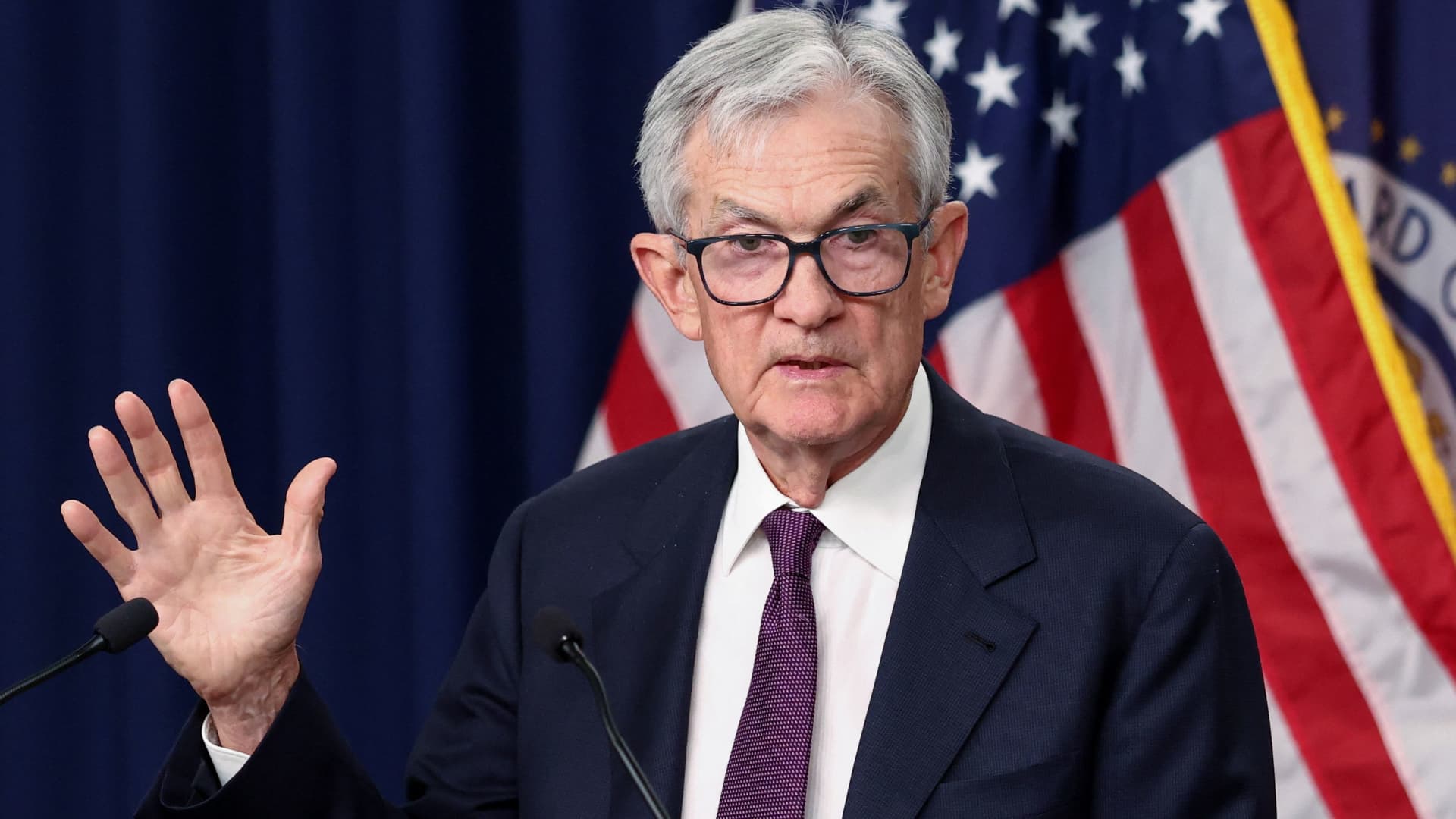
In his post-meeting news conference, Fed Chair Jerome Powell took an upbeat view of current conditions, even with what he termed “zero” net job growth and inflation staying above the central bank’s 2% target. Powell called economic growth “solid” and rejected any notion that stagflation was taking hold.
Though the Federal Open Market Committee statement noted “uncertainty” associated with the Iran war, Powell never addressed it directly. With hostilities escalating in the Middle East and the Fed seemingly not inclined to react, investors took a dim view of the prospects of easier monetary policy.
Rather than rally on the central bank’s apparent optimism, stocks moved lower. Equity index futures also were negative Thursday morning.
The moves coincided with another adjustment in fed funds futures markets that put the odds of even a quarter percentage point reduction in the Fed’s benchmark interest rate at just 17.2% around 8:50 a.m. ET Thursday, according to the CME Group’s FedWatch analysis.
The probability of a hike even sneaked up, rising to 8.4%.
‘Taper tantrum’
Market veteran Ed Yardeni called the reaction a “taper tantrum,” an allusion to earlier periods when investors revolted over the expectation of tighter Fed policy.
“The combination of war and Fed news triggered a taper tantrum in the stock market as investors concluded that monetary policy may be limited in its ability to address the war’s economic consequences,” Yardeni wrote in a note posted late Wednesday.
“Indeed, Fed Chair Jerome Powell barely mentioned the war,” he added. “Notably, he opined that the economy and labor markets are in good shape and that core inflation is likely to moderate in the coming months, implying the Fed will remain on pause for the foreseeable future.”
Before the war, traders were expecting a cut in June, another in September and maybe one more before the end of the year, depending on how conditions in the labor market and with inflation played out.
The question had been which side of the Fed’s so-called dual mandate would gain more attention — the anemic labor market or inflation that remains above the central bank’s 2% target, though well off its previous highs.
This week’s meeting saw a mild shift in the “dot plot” grid of officials’ individual expectations for interest rates. That left investors sifting through Powell’s comments for more clues on the Federal Open Market Committee’s direction.
Absorbing shocks
“Powell leaned on an argument that has repeatedly supported the Fed’s patience over the past two years: the economy has absorbed shocks better than expected,” Fundstrat analysts said in a note. “Markets nevertheless reacted as though Powell materially tightened the policy outlook.”
The chair referenced uncertainty in the forecast more than a dozen times, conditioning much of what’s to come on the oil shock and the impact that tariffs will have on inflation.
“The next catalyst is whether incoming inflation data begins to show tariff-sensitive goods easing before higher energy costs spread more broadly,” the Fundstrat team said. “Until then, Powell’s framework remains intact: cautious, conditional, and still unwilling to move on forecast alone.”
The Fed next meets April 28-29. Traders are pricing in no chance of a cut — and a 10.3% probability of a quarter-point hike in rates.